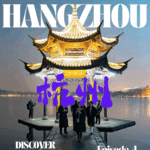
Article by Linda Gao
Introduction
Hangzhou sits at the crossroads of tradition and modern development. As the capital of Zhejiang Province, it lies on the southern edge of the Yangtze River (长江), about two hours south of Shanghai.
The city has a long and rich history. It was already a major center of culture and trade in the Middle Ages and later served as the capital of the Southern Song Dynasty. Marco Polo once described it as “the most splendid city in the world.”
Today, Hangzhou blends its ancient heritage with modern innovation. It is home to companies such as Alibaba, Geely, and DeepSeek, and its skyline features sleek towers, illuminated bridges, and impressive urban design.
West Lake and Its Surroundings
At the heart of Hangzhou is West Lake (西湖), a UNESCO World Heritage Site and the city’s most famous attraction. Surrounded by gentle hills, pagodas, and willow trees, it has inspired poets and painters for centuries. Visitors can walk or cycle around the lake, take a boat ride, or simply enjoy the calm scenery.
Two landmarks not to miss are Leifeng Pagoda (雷峰塔) and the Broken Bridge (断桥), both tied to the legend of the White Snake (白蛇传).
In the hills west of the lake stands Lingyin Temple (灵隐寺), one of China’s oldest and most important Buddhist temples, founded in 328 CE. Visitors can admire ancient carvings, offer incense, and hear monks chanting — a peaceful contrast to the city’s bustle.
The Grand Canal
About three kilometers north of West Lake lies another UNESCO World Heritage Site, the Grand Canal (大运河), the world’s longest artificial waterway. It once linked Beijing (北京) to Hangzhou, serving as a vital trade route for centuries.
Today, visitors can take a boat cruise past riverside houses, arched bridges, and small cafés, with the Gongchen Bridge (拱宸桥) area especially popular for photos and local snacks.
Cultural Experiences
In the evening, Songcheng (宋城) Theme Park brings the Song Dynasty to life with old-style buildings, performances, and street food. Its highlight, the “Songcheng Eternal Love” (宋城千古情) show, tells Hangzhou’s story through dance, music, and visual effects.
A short drive from West Lake, Meijiawu Tea Village (梅家坞茶村) is one of the best places in China to learn about Longjing (龙井茶), or Dragon Well tea. Visitors can walk through tea fields, watch tea-picking demonstrations, and enjoy freshly brewed tea in hillside teahouses.
Modern Hangzhou
On the modern side, Hangzhou is also known for its innovation and technology. The Hangzhou Future Sci-Tech City (未来科技城) showcases the city’s startup culture and research spirit. Within it, Dream Town (梦想小镇) serves as a creative hub filled with design studios, cafés, and exhibitions focused on smart technology and urban innovation. The area reflects the forward-looking character of today’s Hangzhou and its role as one of China’s leading tech centers.
Local Cuisine
Hangzhou’s cuisine is one of China’s eight great culinary traditions, known for its fresh, mild, and balanced flavors. Dishes are lightly seasoned and highlight the natural taste of ingredients.
The city’s most famous specialties include West Lake Vinegar Fish (西湖醋鱼) — tender fish served in a sweet and sour sauce; Dongpo Pork (东坡肉) — slow-braised pork belly named after the Song dynasty poet Su Dongpo (苏东坡); and Beggar’s Chicken (叫化鸡) — wrapped in lotus leaves, sealed in clay, and baked for hours.
Popular street snacks such as scallion pancakes (葱油饼) and sweet osmanthus cakes (桂花糕) offer simple and comforting flavors.
Silk and Traditional Clothing
Hangzhou has been famous for centuries for its silk production. The China National Silk Museum (中国丝绸博物馆), near Leifeng Pagoda, is the largest silk museum in the world. It displays ancient fabrics, weaving tools, and traditional garments, and explains how the Silk Road spread Chinese silk worldwide.
The city is also known for the qipao (旗袍, cheongsam), a traditional, elegant dress often made from silk and embroidery. Renting qipao or hanfu (汉服) for photo shoots around West Lake or other scenic spots is a popular activity. Many local shops provide outfits, hairstyling, and photography services, allowing visitors to experience the beauty of traditional Chinese fashion in an authentic setting.
Shopping and Local Markets
Hangzhou offers both traditional markets and modern malls. Hefang Street (河坊街), Xiaohe Straight Street (小河直街), Dadou Historic Block (大兜路步行街) and Wulin Market (武林夜市) are perfect for exploring local life — stroll through old streets, browse shops, and try regional snacks.
In contrast, Hubin Yintai in77 (湖滨银泰in77), near West Lake, is one of the city’s largest shopping complexes, featuring international brands, cafés, and restaurants. Together, they highlight the contrast between Hangzhou’s traditional markets and its modern retail scene.
Local Lifestyle and Traditions
Hangzhou’s lifestyle reflects the city’s essence — calm, balanced, and connected to nature. In the mornings, people often walk or practice tai chi by West Lake. Teahouses remain popular meeting spots, offering a slower pace of life than in larger cities. Despite modernization, many residents still celebrate seasonal festivals, wear hanfu at cultural events, and visit temples or tea villages on weekends. This mix of old and new gives Hangzhou its distinctive character.
Best Time to Visit & Conclusion
The best time to visit Hangzhou is in spring (March–April) and autumn (September–October), when the weather is mild and the scenery most beautiful. These seasons bring cultural festivals and outdoor activities, ideal for exploring the city’s natural and historic attractions.
Especially in autumn, it’s worth visiting Qingshan Lake (青山湖), just outside the city. Also known as the “Matcha Forest,” it’s surrounded by green hills and dense woods, with clear water and clusters of pond cypress trees that visitors can canoe through.
Hangzhou has one of the most modern transportation networks in China, with an efficient metro, convenient train and bus links, bicycle rentals, and scenic boat rides on West Lake and the Grand Canal, making it easy and enjoyable for visitors to explore the city and its attractions.
Hangzhou is a city where tradition and innovation meet, offering a perfect blend of history, nature, and modern life. It welcomes visitors to experience the essence of China in one place.
0 Comments